Technological advancement has been the primary growth engine for the lighting industry. New technologies breathe fresh life into the sector by addressing current problems and market needs.
LED lighting rose to prominence due to energy efficiency gains over traditional incandescents. LED bulbs utilize up to 90% less energy and last 35x longer on average. Global LED market revenue has increased over 15% annually since 2010 as performance improved and prices declined. It's projected to climb another 10% by 2026.
Connectivity is another frontier. Smart lighting integrates with voice assistants and mobile control for convenience. The smart lighting market grew 26% in 2021 and will likely expand at an 18% CAGR through 2028 according to forecasts.
Sustainability remains a force as renewable-powered lamps flourish. Solar LEDs and induction lighting eliminate energy waste and carbon footprints associated with grid power. The off-grid solar market alone will be worth billion by 2026 as developing nations adopt distributed renewable solutions.
Technological innovation is the driving force behind the development of the lighting industry. Embracing technological advancements will continue to shape the future of lighting, enhancing energy efficiency, user experience, and sustainability!
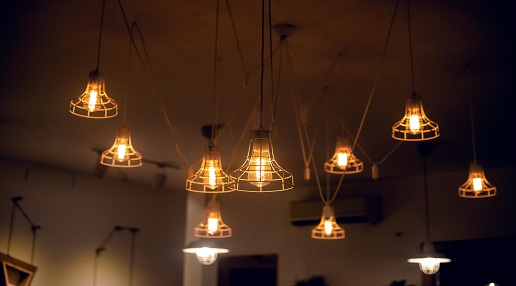
LEDs, or light-emitting diodes, are revolutionizing the way we light our spaces. They are up to 90% ...
Learn more >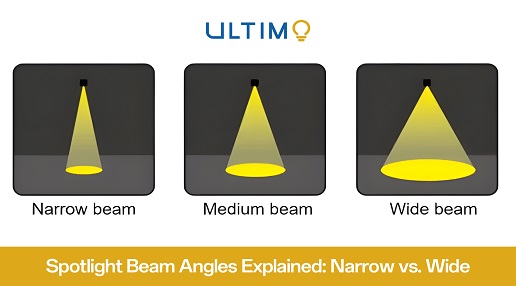
Spotlight beam angle is a crucial yet often overlooked characteristic. It defines how widely light s...
Learn more >
When considering how much lighting is needed for a bathroom, the best designs incorporate a mix of g...
Learn more >